



Risk of Delamination in Rigid Flex PCBs
Rigid flex PCBs offer an intriguing array of benefits for applications that prioritize space efficiency, versatility and dependability. These PCBs are used in a wide range of industries, including aerospace/defense, medical and industrial electronics. In these cases, the rigid flex circuit board is used as a replacement for cables and connectors. This simplifies assembly and improves signal integrity while lowering costs.
This technology has become increasingly popular in the manufacturing industry. However, the process is not without its challenges. To minimize the risk of delamination in rigid flex PCBs, manufacturers should adhere to specific IPC guidelines and follow strict quality assurance protocols during the manufacturing process.
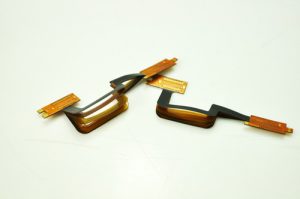
Achieving proficiency in rigid flex pcb design requires a mix of creativity and meticulousness. The best way to reduce the chances of error is to consult with an experienced engineering team early on in the process. This helps ensure that the final product meets all of the desired specifications and provides an optimal solution for the application at hand.
How to Minimize the Risk of Delamination in Rigid Flex PCBs
Once the design is complete, the next step is to work with a PCB manufacturing company that offers rigid flex services. A PCB manufacturing company will be able to recommend the best materials for your project and guide you through the nuances of designing a rigid-flex circuit board. This will help you avoid common issues like soldering failure and delamination, which are often caused by improper assembly techniques.
The first step in minimizing the risk of delamination is to establish the maximum bend radius of your PCB. This is important because it determines how tightly the flexible portions of your rigid flex PCB can be bent without damaging them or their ground planes. This helps prevent a shortened lifespan for your product and ensures that it can withstand sudden shocks and vibrations.
Another step is to choose a material that is resistant to vibration and thermal stress. In order to achieve this, it is important to consider the mechanical and chemical properties of your chosen material. You should also choose a material that is lightweight and has good electrical insulation properties. This will help reduce the likelihood of mechanical fatigue and oxidation.
Finally, you will need to design your rigid-flex circuit board with a minimum number of layers. This will allow you to pack in more traces and reduce your cost. You should also focus on minimizing the width and spacing of your traces. This will improve the overall performance of your device and improve reliability.
Lastly, you should use a rigid-flex PCB that has been manufactured using high-quality materials. This will help you avoid defects such as voids and cracks that can contribute to delamination. Also, it is a good idea to keep your rigid-flex PCBs in a dry environment so that they do not acclimate to moisture before you assemble them. To do this, you can store them in a desiccant chamber or bag them before sealing and soldering. Keeping your PCBs dry will also reduce the risk of damage from thermal shock during soldering.
