



printed circuit board manufacturerss be used in MEMS devices
The marriage of printed circuit board manufacturers (PCBs) and Micro-Electro-Mechanical Systems (MEMS) devices represents a convergence of two powerful technologies, offering exciting possibilities for innovation across a wide range of applications. MEMS devices, which incorporate miniature mechanical and electrical components onto a single chip, have revolutionized industries such as healthcare, automotive, and consumer electronics. Meanwhile, PCBs serve as the backbone of electronic systems, providing the necessary infrastructure for connecting and controlling various components.
The question of whether printed circuit board manufacturers can be used in MEMS devices is not only relevant but essential for maximizing the potential of MEMS technology. While MEMS devices are typically fabricated using semiconductor manufacturing processes, PCBs can play a crucial role in interfacing MEMS devices with external components and systems. By incorporating MEMS sensors, actuators, or other devices into PCB assemblies, engineers can create sophisticated systems that combine the sensing and processing capabilities of MEMS technology with the connectivity and versatility of PCBs.
One of the key advantages of integrating printed circuit board manufacturers with MEMS devices is the ability to create compact, highly integrated systems with enhanced functionality. By embedding MEMS devices directly onto PCB substrates, designers can reduce the size and complexity of electronic assemblies, making them ideal for applications where space is at a premium. This integration also simplifies assembly and reduces manufacturing costs, enabling the mass production of MEMS-based systems for a wide range of applications.
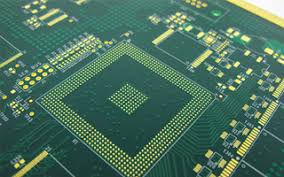
Can printed circuit board manufacturerss be used in MEMS devices?
Furthermore, printed circuit board manufacturers offer a range of capabilities and expertise that can complement MEMS technology. PCB design tools and fabrication processes can be leveraged to create custom circuitry and interconnects tailored to the specific requirements of MEMS devices. Advanced manufacturing techniques, such as multilayer PCBs and flexible substrates, provide additional flexibility in integrating MEMS devices into complex electronic systems.
Another benefit of using printed circuit board manufacturers in MEMS devices is the ability to incorporate additional functionality and features into the system. For example, MEMS sensors can be integrated with signal conditioning circuitry, microcontrollers, and wireless communication modules to create smart, autonomous devices capable of sensing, processing, and transmitting data in real-time. This integration opens up new possibilities for applications such as environmental monitoring, industrial automation, and wearable electronics.
Despite these benefits, integrating printed circuit board manufacturers with MEMS devices presents certain challenges and considerations. For instance, careful attention must be paid to the design and layout of the PCB to minimize interference and ensure optimal performance of the MEMS devices. Additionally, compatibility issues may arise when integrating MEMS devices with existing PCB assemblies, requiring careful coordination between MEMS designers and PCB manufacturers.
In conclusion, the integration of printed circuit board manufacturers with MEMS devices offers exciting opportunities for innovation and advancement in electronic systems. By combining the unique capabilities of MEMS technology with the versatility and connectivity of PCBs, engineers can create highly integrated, feature-rich systems with enhanced functionality and performance. As technology continues to evolve, we can expect to see further synergies between printed circuit board manufacturers and MEMS devices, driving new developments and applications across diverse industries.
