



authenticity and quality during ordering pcb
Ensuring the authenticity and quality of components is paramount in the process of ordering Printed Circuit Boards (PCBs), as the reliability and performance of electronic devices hinge on the integrity of the components used. From resistors and capacitors to integrated circuits and connectors, each component undergoes rigorous verification to guarantee authenticity and quality throughout the PCB procurement process.
Supplier Selection and Qualification: The first line of defense in verifying component authenticity and quality ordering pcb begins with selecting reputable and reliable suppliers. Established suppliers with a track record of delivering genuine, high-quality components are preferred to mitigate the risk of counterfeit or substandard parts. Thorough supplier qualification processes, including audits, certifications, and performance evaluations, ensure that suppliers adhere to industry standards and best practices.
Certifications and Compliance: Authenticity and quality verification extend beyond supplier reputation to certifications and compliance with industry standards. Components bearing recognized certifications, such as RoHS (Restriction of Hazardous Substances) and REACH (Registration, Evaluation, Authorization, and Restriction of Chemicals), attest to their compliance with environmental and safety regulations. Additionally, components certified by organizations like UL (Underwriters Laboratories) undergo rigorous testing to ensure safety and reliability.
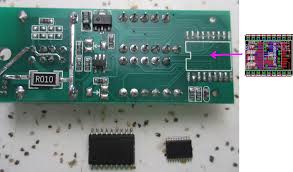
How are components verified for authenticity and quality during ordering pcb?
Traceability and Documentation: Traceability is crucial in verifying the authenticity and quality of components throughout the supply chain. Comprehensive documentation, including certificates of conformance, material data sheets, and traceability records, provides a trail of accountability from component manufacture to delivery. Traceability enables manufacturers to trace the origin of components, verify their authenticity, and identify any deviations from specifications.
Visual Inspection and Packaging: Visual inspection of components upon receipt is an essential step in verifying authenticity and quality. Genuine components typically exhibit consistent markings, labeling, and packaging characteristics, while counterfeit or substandard parts may display irregularities or discrepancies. Manufacturers inspect components for signs of tampering, counterfeit packaging, or suspicious labeling to identify potential counterfeit or inferior-quality parts.
Physical and Electrical Testing: Beyond visual inspection, physical and electrical testing is conducted to validate the authenticity and quality of components. Physical tests, such as dimension measurements, weight checks, and material composition analysis, verify the physical attributes of components. Electrical tests, including continuity testing, impedance measurement, and functional testing, assess the performance and functionality of components to ensure they meet specified requirements.
Supplier Audits and On-Site Inspections: Periodic supplier audits and on-site inspections provide additional assurance of component authenticity and quality. Manufacturers conduct audits to assess suppliers’ manufacturing processes, quality management systems, and adherence to industry standards. On-site inspections allow manufacturers to verify production facilities, equipment, and personnel qualifications, ensuring compliance with quality requirements and mitigating the risk of counterfeit components.
Supply Chain Transparency and Risk Management: Maintaining supply chain transparency and implementing robust risk management practices are essential in mitigating the risk of counterfeit components. Manufacturers collaborate with suppliers to establish transparent supply chains, implement risk mitigation strategies, and monitor supplier performance closely. Proactive measures, such as supplier diversification, dual sourcing, and counterfeit detection technologies, further enhance supply chain resilience and safeguard against counterfeit components.
Continuous Monitoring and Improvement: Verifying component authenticity and quality is an ongoing process that requires continuous monitoring and improvement. Manufacturers leverage data analytics, machine learning algorithms, and supply chain visibility tools to detect anomalies, trends, and potential risks in real-time. Continuous improvement initiatives, such as supplier training programs, quality management systems, and counterfeit awareness campaigns, foster a culture of vigilance and accountability throughout the supply chain.
In conclusion, verifying component authenticity and quality during the ordering of PCBs is a multifaceted process that encompasses supplier selection, certifications, traceability, inspection, testing, audits, and risk management. By implementing comprehensive verification protocols and collaborating with reputable suppliers, manufacturers can ensure the reliability, performance, and safety of electronic devices powered by PCBs, thereby safeguarding against the proliferation of counterfeit components and protecting end-users from potential risks.
